
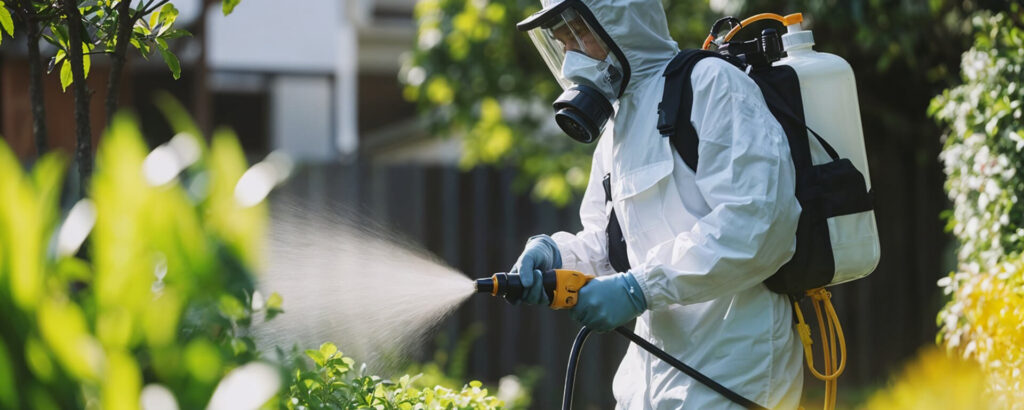
As the weather warms up across Langwarrin, Frankston, and the Mornington Peninsula, we aren’t the only ones heading outdoors to enjoy the sun. Spider sightings across Melbourne’s South East typically spike by over 40% between October and March.
While most spiders are harmless contributors to the ecosystem, nobody wants to walk into a face-full of webbing or find a Redback hiding in their child’s outdoor toys. At Repel Pest Solutions, we get daily calls from worried homeowners asking: “Is this spider dangerous?” and “How do I stop them from coming inside?”
In this guide, we’ll identify our “local residents” and show you how to protect your home.
Meet the Local “Residents”
In the South East and Peninsula areas, three spiders cause the most concern:
1. The Redback (Latrodectus hasselti)
The one to watch. Redbacks love dry, dark, undisturbed spots. We commonly find them in:
-
Letterboxes and under outdoor furniture.
-
Around the base of brick walls and in “weep holes.”
-
Inside garage corners and garden sheds.
-
Risk: Their bite is highly painful and requires medical attention.
2. The Huntsman (Sparassidae)
The “scary” one. They are large, hairy, and fast, but they are generally harmless to humans. They often wander indoors when it’s about to rain or during extreme heat.
-
Risk: Mostly a fright factor (especially if they appear on your car dashboard!).
3. The White-Tail (Lampona)
Unlike spiders that sit in a web, White-Tails are hunters. They love cool, dark places—which is why you often find them in piles of laundry on the floor or tucked into bedsheets.
-
Risk: Their bites can be painful and cause local swelling, though the “flesh-eating” myth is largely unproven.
Why Is Your Home a Spider Magnet?
Spiders don’t enter your home to bother you; they go where the food is. If your outdoor lights are attracting moths, flies, and mosquitoes, you are essentially setting out an “All-You-Can-Eat” buffet for spiders.
Common attractants include:
-
High garden mulch levels touching the house.
-
Large woodpiles or clutter near entry points.
-
Bright white outdoor lights that attract night-flying insects.
5 Pro Tips to “Spider-Proof” Your Home
Before you reach for the supermarket spray, try these preventative steps:
-
Clear the Perimeter: Keep garden beds, mulch, and woodpiles at least 30cm away from your home’s walls. This removes the “bridge” spiders use to climb up.
-
Seal the Gaps: Check your flyscreens for tiny tears and install weather strips under external doors. A gap the size of a 20-cent piece is a grand entrance for a Huntsman.
-
The “Yellow Light” Trick: Switch your outdoor white bulbs to yellow “bug lights.” These are less attractive to insects, meaning fewer spiders will set up shop near your doors.
-
De-Clutter the Garage: Spiders love the stillness of cardboard boxes. Switch to plastic tubs with lids for long-term storage.
-
Wash the Eaves: Use a broom or a high-pressure hose to regularly clear away old webbing. If a spider sees its web destroyed repeatedly, it may move elsewhere.
When to Call the Professionals
While DIY tips help, they rarely stop an established infestation. A Repel Pest Solutions Professional Spider Treatment is different from a hardware store spray because we target the source:
-
Roof Void & Subfloors: We treat the hidden areas where spiders breed and hide.
-
Fence Lines & Gardens: We create a chemical barrier around your property boundary.
-
Family & Pet Safe: Our DHHS-licensed technicians use low-toxicity, odourless products that are tough on spiders but safe for your kids and pets.
Don’t Spend Your Summer Looking Over Your Shoulder
Whether you’ve spotted a Redback nest or you’re tired of cleaning webs off your windows every morning, we can help. Repel Pest Solutions is a family-owned business with over 9 years of experience protecting homes in Langwarrin, Frankston, and the Peninsula.